On this page
- The checklist before the explanation
- Why the exercise number is not negotiable
- The counterargument, and why I still land on exercise first
- Coat care: the double coat is doing a job, not just sitting there
- What actually shows up on the joints and eyes
- A husky I still think about
- Related reading
- The short version
The first husky I worked up for a wellness exam as a new associate was a fourteen-month-old male named Denali, forty-eight pounds, who had chewed through a drywall corner and two baseboards in the six weeks since his owner had switched from a twice-daily jog to a single evening walk after a move to a smaller house. The owner described it plainly: he was fine on the old schedule, and he fell apart on the new one within about three weeks. That timeline is not unusual. Huskies were bred to move, and when the output drops, the behavior tells on the owner before the body does.
My verdict up front: treat exercise as the primary husky-care variable, not an add-on to diet or grooming, because behavior problems are the most common reason huskies land in shelters, and behavior problems in this breed are overwhelmingly an energy-budget problem, not a training-fundamentals problem.
The checklist before the explanation
- Budget at least 60–90 minutes of real output daily — running, hiking, or structured pulling work, not just a leash stroll around the block.
- Never shave the double coat, even in summer; it insulates against both heat and cold, per VCA Animal Hospitals.
- Brush weekly, and near-daily during the two seasonal blowouts (typically spring and fall) when the undercoat sheds in clumps.
- Ask for OFA hip certification on any puppy’s parents; huskies are one of the lowest-risk breeds for dysplasia, and it’s worth confirming that low-risk pedigree.
- Get a baseline eye exam by age one to two — cataracts affect a meaningful share of the breed and are worth catching before they progress.
- Fence high and lock gates; huskies are escape artists bred to run, and a secure yard prevents more injuries than any supplement will.
The rest of this guide unpacks why each of those items earns its place.
Why the exercise number is not negotiable
Huskies were developed to pull light loads at moderate speed over long distances, working in packs across frozen terrain — that’s the American Kennel Club: AKC’s own description of the breed’s original job, and it explains almost everything about the temperament you meet in the exam room. This isn’t a dog built for a single fifteen-minute yard session. It’s built for sustained output, and without it, that energy goes somewhere else — digging, chewing, fence-testing, or vocalizing.
I tell owners to think of exercise as a budget, not a chore. A young adult husky in good health generally needs somewhere in the range of an hour or more of vigorous activity most days — running, hiking, a controlled bike-jor session, or genuine off-leash work in a secure area. A leash walk around the block does not come close to covering it, and treating a walk as “the exercise” is the single most common mismatch I see between owner expectation and breed reality. Puppies are the exception: short, controlled sessions are the right call while growth plates are still open, with intensity built up gradually as the dog matures.
The counterargument, and why I still land on exercise first
Some trainers argue that mental enrichment — scent work, puzzle feeders, structured obedience — matters more than raw mileage, and I don’t dismiss that. A tired body without a engaged mind still gets bored. But in twelve years of seeing huskies in exam rooms, the dogs whose owners solved the physical budget first were the ones who then had the bandwidth to work on training at all. A husky running on an empty exercise tank will not settle for a puzzle toy. Mental work is the second lever, not the first one.
Coat care: the double coat is doing a job, not just sitting there
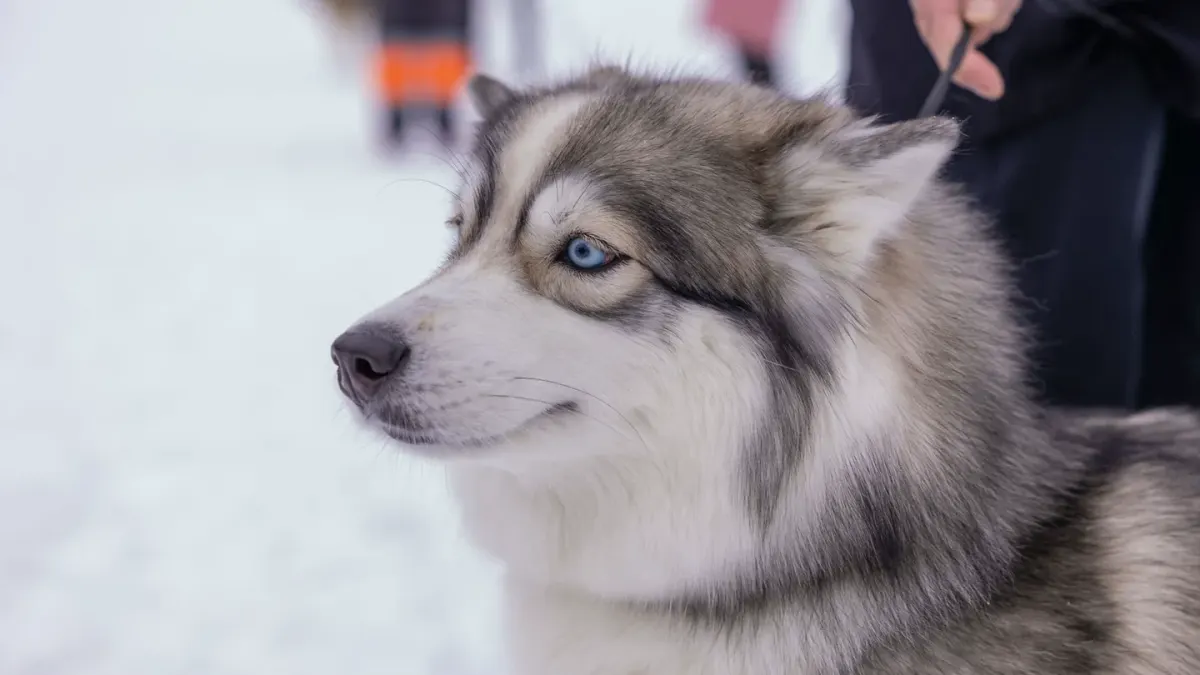
The husky coat is straight, medium-length, and backed by a dense soft undercoat, and per VCA Animal Hospitals, shedding runs above average for the breed even outside the two big seasonal blowouts. That undercoat is insulation, working in both directions — it keeps the dog warm in cold weather and, less intuitively, helps regulate heat in summer. Shaving it to “help with the heat” is one of the more common well-intentioned mistakes I see, and it can backfire: clipped double coats sometimes regrow unevenly or slowly, occasionally taking a long stretch to recover normal texture. Weekly brushing is enough most of the year; during a blowout, daily brushing keeps loose undercoat from matting against the topcoat and keeps your house considerably more livable.
What actually shows up on the joints and eyes
Here’s where I’ll be candid about what’s proven versus what’s just prudent. Huskies are, by the numbers, one of the better-off breeds for hip dysplasia — historical OFA evaluation data ranked them among the least-affected breeds assessed, and the Siberian Husky Club of America, Inc: Siberian Husky Club of America still recommends hip screening as a routine part of responsible breeding precisely because low risk is not zero risk. I ask owners to confirm OFA hip certification on parents when buying from a breeder, the same way I’d ask about any breed with a known screening protocol, because it’s a cheap check against an expensive problem.
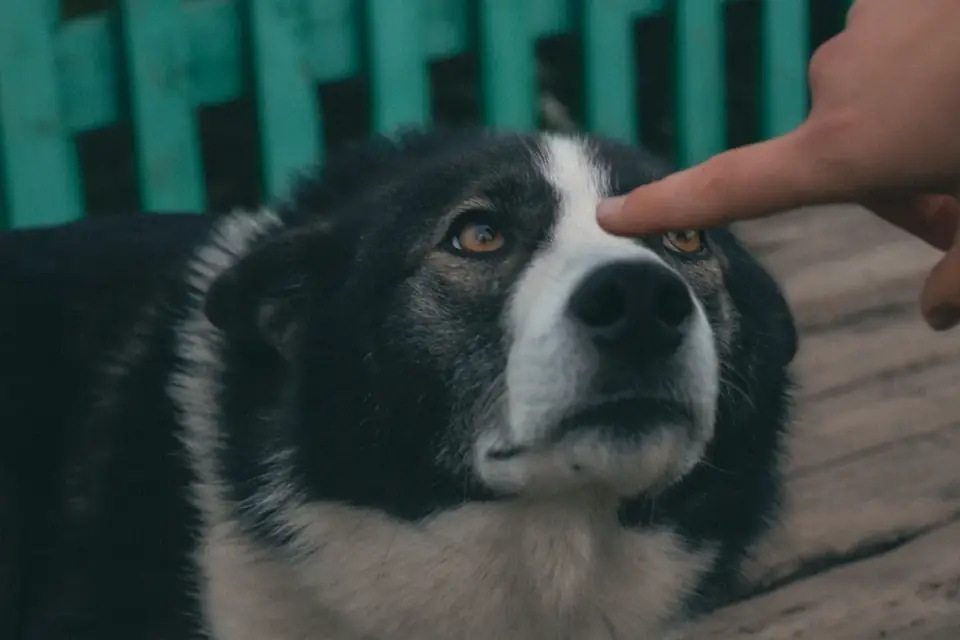
Eyes are the more breed-specific concern. Cataracts show up in a meaningful minority of the breed, and huskies also carry elevated risk for progressive retinal atrophy and corneal dystrophy. None of these are curable with supplements or diet, and I won’t pretend otherwise — they’re structural or degenerative changes that need a veterinary ophthalmologist for diagnosis and, where indicated, surgical management. What owners can control is timing: a baseline eye exam in the first year or two gives you and your vet something to compare against later, instead of discovering a change only once vision is already affected.
A husky I still think about
A few years into practice, I saw a five-year-old spayed female husky, Aurora, brought in because her owner noticed she was suddenly bumping into furniture at dusk — not during the day, just as the light dropped. The owner had assumed she was just getting lazy about walks. On exam, both lenses showed early cataract changes, more advanced in the left eye, and the dim-light clumsiness was the tell — cataracts often show up first as trouble in low light before it’s obvious in daylight. We referred her for a full ophthalmology workup. The owner’s biggest regret, she told me afterward, was that she’d noticed the bumping into the coffee table for almost two months before mentioning it, assuming it was just middle-age clumsiness. That’s the pattern I’d ask every husky owner to watch for once their dog crosses four or five: subtle vision changes in low light, before it’s dramatic enough to be obvious at noon.
Related reading
If you’re weighing a husky against another high-energy or working breed before you commit, it’s worth comparing the actual exercise math side by side — see Border Collie vs Australian Shepherd: The Real Differences That Matter Long-Term. Owners coming from a lower-maintenance breed background should also read Best Low-Maintenance Dog Breeds for Busy People before assuming a husky will fit the same lifestyle. And if grooming load is part of your decision, Do Goldendoodles Really Not Shed? The Genetics Behind the Promise is a useful contrast in how differently coat genetics can play out.
The short version
A husky is not a low-effort dog wearing a striking coat. It’s a working breed whose exercise requirement is the load-bearing variable in almost every behavior problem I see, and whose two real medical watch-items — hips and eyes — are manageable with routine screening rather than any special diet or supplement. Budget the hours, screen the parents, brush through the blowouts, and get eyes checked before you need to.
Frequently asked questions
How much exercise does a Siberian Husky actually need per day?
Most healthy adult huskies need roughly an hour or more of vigorous activity daily — running, hiking, or structured work — not just a casual walk. Puppies need shorter, controlled sessions while their growth plates are still developing.
Should I shave my husky's coat in summer?
No. The double coat insulates against heat as well as cold, and shaving it can lead to slow or uneven regrowth, per VCA Animal Hospitals.
Are Siberian Huskies prone to hip dysplasia?
They're one of the lower-risk breeds by historical OFA data, but the Siberian Husky Club of America still recommends hip screening on breeding dogs because low risk isn't zero risk.
Sources
- Siberian Husky Dog Breed Information — American Kennel Club
- Siberian Husky — VCA Animal Hospitals
- Hip Screening — Siberian Husky Club of America, Inc