Keeping Double-Coated Breeds Comfortable in Hot Weather
The short answer is never shave a double coat for heat — the coat is doing thermal work, and the fix is water, shade, timing, and a brush, not clippers.
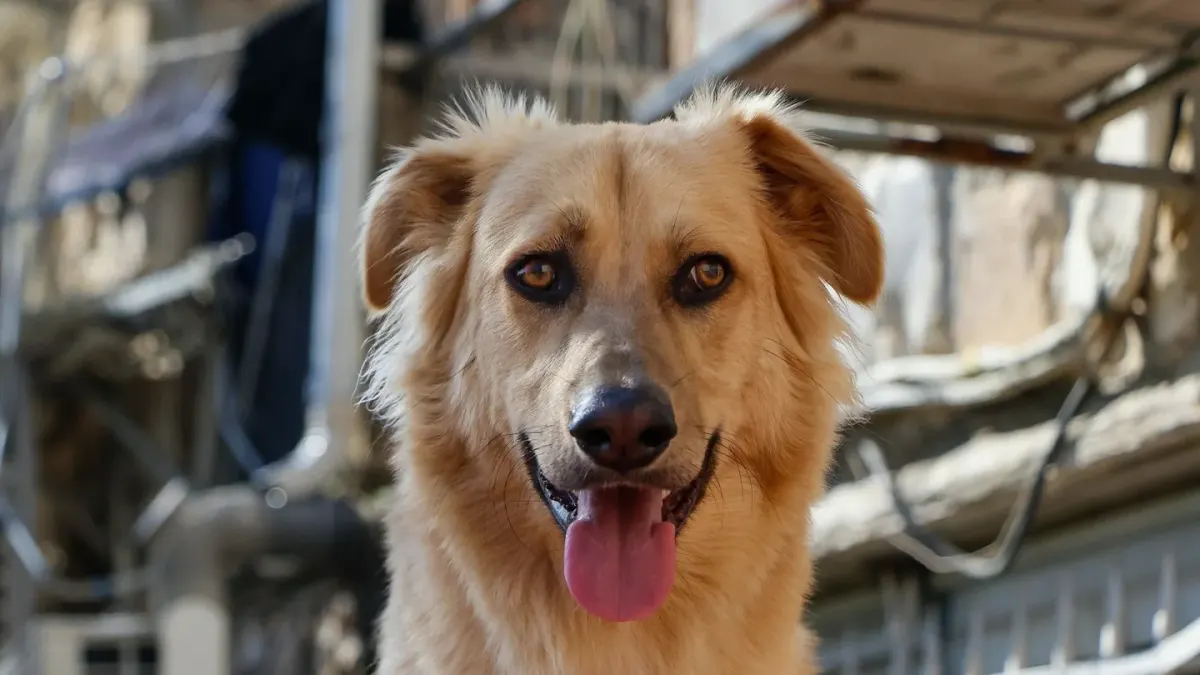
Do double coats actually help in heat, or is that just something groomers say?
They help — but only when they’re intact and well-maintained, and that’s the part owners get wrong most often.
A Golden Retriever named Otis taught me this the hard way, or rather his owner did, in my exam room three Julys ago. He was seven, sixty-eight pounds, coat matted at the armpits and behind the ears, and she’d had him shaved down to an inch two weeks before because “he looked so hot.” He came in panting hard after a ten-minute walk at 9 a.m., gums a little tacky, and what struck me wasn’t just the heat stress — it was the patchy, uneven regrowth already starting along his spine. She wasn’t wrong that he was miserable. She was wrong about why, and about the fix. The undercoat she’d removed was the part actually regulating his temperature; what was left was thin, sunburn-prone skin with none of the airflow structure the original coat provided. We spent that visit on hydration and activity timing instead, and by September the coat was recovering, unevenly, the way clipped double coats often do.
Here’s the physiology, because it explains every recommendation that follows. A double coat has two layers: a dense, soft undercoat that traps a cushion of air near the skin, and coarser guard hairs on top that shed moisture and block direct sun. That trapped air layer is genuinely insulating in both directions — it slows heat entering from outside as well as heat escaping from a warm body, which is a big reason shaving doesn’t produce the cooling effect owners expect. The American Kennel Club notes that shaving eliminates that insulating layer, makes a dog more susceptible to heatstroke, and can trigger improper regrowth or follicle damage — which is exactly what I saw in Otis. Dogs cool primarily through panting and, to a lesser degree, paw pad sweating, not through skin exposure, so removing coat doesn’t open up a new cooling pathway. It just removes the coat’s forward-facing UV shield.
What actually moves the needle for a double-coated dog in summer
None of this is exotic. It’s mostly about timing, brushing discipline, and knowing the early signs of trouble.
- Brush out the undercoat, don’t cut it. A slicker brush or undercoat rake, used two to three times a week in shedding season, removes the dead insulating fluff that traps heat against the skin without touching the guard hairs that do the protective work. This is the single highest-leverage thing an owner can do.
- Move exercise to the coolest hours. Early morning or after sunset, on grass or dirt rather than asphalt, which can reach far higher temperatures than the air and burn pads before a dog shows any other sign of overheating.
- Water access before and during activity, not just after — dogs that are already behind on hydration heat up faster and recover more slowly.
- Know the early signs, not just the dramatic ones. Heavy panting that doesn’t ease with rest, thick ropey drool, and restlessness come first; vomiting, wobbliness, and collapse mean you’re already in an emergency. Cornell University College of Veterinary Medicine: Cornell treats heatstroke as a true medical emergency, not something to manage at home once symptoms are underway.
- Trim strategically where hair traps debris and moisture — around paw pads, the sanitary area, and behind the ears — without taking the body coat down to the skin.
The evidence on who’s actually at risk is worth knowing too, because it isn’t only about coat type. National Center for Biotechnology Information: A large UK VetCompass study found that higher bodyweight relative to breed norms and age over two years were significant risk factors for heat-related illness, alongside brachycephalic skull shape — flat-faced breeds were about four times more likely to develop heatstroke than normal-faced dogs. Thick coat was one factor among several, not the dominant one, which tells me owners of double-coated breeds like Huskies and Golden Retrievers should worry less about the coat itself and more about weight, age, and activity timing stacking together on a hot day.
The counterargument, and why I still don’t reach for the clippers
The pushback I hear most is some version of “but he’s clearly cooler after a shave-down.” I don’t doubt the owner’s read of their own dog in the moment — heat-stressed dogs often do seem to perk up briefly post-groom, and there are edge cases (severe matting, a skin condition, a vet-directed surgical site) where a groomer or vet legitimately does shave a double coat short. But the AKC’s position, and what I’ve watched play out over a decade of summer coat conversations, is that any apparent relief is usually about mat removal and reduced weight, not about heat exchange — and it comes at the cost of sunburn risk, altered regrowth, and weeks of reduced protection once the actual heat wave passes. If matting is the real problem, the fix is a professional de-matting and a maintenance brushing schedule, not a razor.
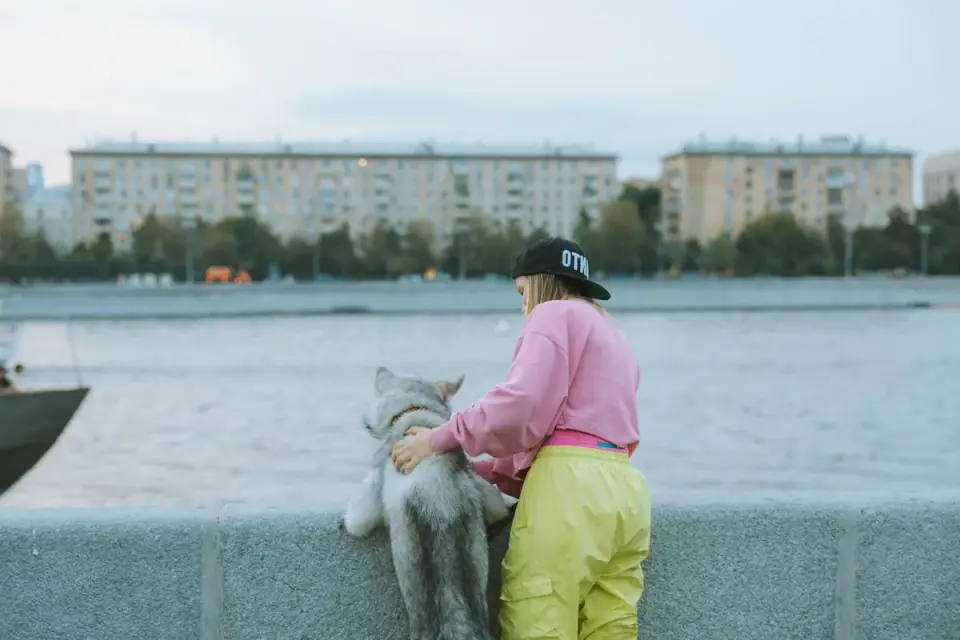
I think about a Husky mix named Birch I saw for a summer wellness visit last year — nine years old, fifty-two pounds, owners who’d read online that double coats “self-regulate” and stopped brushing altogether, assuming intervention would only hurt. By July his undercoat was so dense along the flanks that his skin temperature ran warm to the touch even in the exam room’s air conditioning, and he’d started declining his evening walk, which his owners hadn’t connected to heat until we talked it through. The lesson wasn’t shave versus don’t-shave this time — it was that “leave the coat alone” isn’t the same as “manage the coat well.” Regular brushing is the maintenance double coats actually need in hot months, and skipping it has real costs too, just quieter ones than a bad shave-down.
If you’re weighing breed-level heat tolerance before a placement decision, it’s worth reading how energy needs and coat maintenance factor into busy-owner breed matching more broadly, and if you’re comparing two working-line breeds with different coat and exercise demands, the Border Collie vs. Australian Shepherd breakdown covers that tradeoff directly. Flat-faced breeds carry a separate, larger heat-risk profile worth understanding on its own terms — see the airway-focused comparison in French Bulldog vs. Boston Terrier.
What I’d tell you if you asked me directly
Skip the clippers, keep the brush, and shift the clock. Manage a double coat for summer the way you’d manage anything with a real biological job to do — support it, don’t remove it. Brush out the undercoat on a real schedule, move exercise to the edges of the day, keep water in front of your dog before he asks for it, and learn the early panting-and-drool signs so you’re never catching heatstroke at the collapse stage. Going into next summer, I’d rather see owners build that routine in June than call me in July after a bad shave-down decision — the American Veterinary Medical Association: AVMA’s warm-weather guidance is a solid baseline checklist to build the habit around.
Frequently asked questions
Should I shave my double-coated dog for summer?
No, not for heat management. Shaving removes the insulating undercoat layer that helps regulate temperature and protects skin from sun, and can lead to uneven regrowth or follicle damage. Trimming, not shaving, is appropriate for matted or debris-prone areas.
How can I tell if my dog is overheating versus just panting normally?
Watch for panting that doesn't ease with rest, thick drool, restlessness, and lethargy as early signs. Vomiting, wobbliness, or collapse mean it's an emergency and you should get veterinary care immediately.
Is coat thickness the biggest heatstroke risk factor?
Not on its own. Studies show bodyweight relative to breed norms, age over two years, and brachycephalic (flat-faced) skull shape are stronger risk factors than coat type alone, though a thick coat can compound the risk.
Sources
- Is It OK to Shave Your Dog's Coat in Summer? — American Kennel Club
- Heatstroke: A medical emergency — Cornell University College of Veterinary Medicine
- Risk Factors for Severe and Fatal Heat-Related Illness in UK Dogs—A VetCompass Study — National Center for Biotechnology Information
- Warm weather pet safety — American Veterinary Medical Association