Pembroke vs Cardigan Welsh Corgi: The Differences That Actually Matter
Comparing Pembroke and Cardigan Welsh Corgis comes down to structure and inherited risk, not just tail length or ear shape.
On this page
The checklist first
Before the biology, here is what I actually tell clients standing in my exam room with a corgi puppy application in hand:
- Tail: Pembrokes are naturally bobtailed or born without one in many cases; docking is still standard where legal. Cardigans keep a long, fox-brush tail — always.
- Size: Cardigans run larger and heavier-boned. Pembrokes are the smaller, lighter-framed of the two.
- Ears: Pembroke ears are more pointed and upright; Cardigan ears are larger and more rounded.
- Ancestry: These are not variations of one breed. The Cardigan is genetically older by roughly two thousand years and is not closely related to the Pembroke.
- Health testing priorities: Both need hip screening. Cardigans additionally warrant degenerative myelopathy and PRA-rcd3 DNA testing before breeding.
- Shared structural risk: The short-leg, long-back build in both breeds carries a real, lifelong spinal risk that owners underestimate.
Everything below is the reasoning behind that list — and where I land when clients ask me to just pick one.
A decade of the same exam-room question
In my practice, the Pembroke-or-Cardigan conversation happens almost every spring, usually with a family who found a breeder online and hasn’t yet met either dog in person. I remember a couple who came in with a nine-week-old Pembroke pup, already lifting her onto the exam table like she was made of glass, worried about “corgi back problems” they’d read about at 11 p.m. the night before. What they hadn’t been told — and what almost nobody tells first-time corgi owners — is that the two breeds aren’t cousins from a shared litter of history. They’re two separate breeds that happened to converge on a similar low-to-the-ground shape for similar herding work. I walked them through the tail, the ears, the size, and then spent most of the visit on the part that actually matters for a dog they’d have for the next twelve-plus years: the skeleton underneath that shape.
What the short legs are actually doing
Both breeds carry the FGF4 skeletal dysplasia mutation responsible for their signature short-legged, long-backed build. That same structural trait is mechanically linked to elevated intervertebral disc disease risk across chondrodystrophic breeds, corgis included. The research on Pembroke tail genetics from a molecular study on inherited short tail and taillessness in Pembroke Welsh corgis, published and indexed on PubMed, found that dogs carrying a single copy of the responsible T-gene mutation — the ones with naturally short or bobbed tails — showed no congenital spinal defects on radiographs. Puppies carrying two copies were a different story, with anorectal atresia and multiple spinal defects reported, and most homozygous embryos don’t survive to birth. That distinction matters clinically: a short or absent tail by itself is not the spinal red flag some owners assume it is. The back and hip risk in both breeds comes from the shared body plan, not from whether a given dog has a tail.
The Veterinary Genetics Laboratory, UC Davis: Veterinary Genetics Laboratory at UC Davis documents this genetic architecture directly, and it’s a resource I point breeders and owners to when they want the primary source rather than a forum thread.
The counterargument I hear, and why I still land where I do
Plenty of corgi people will tell you the breeds are close enough that the choice comes down to aesthetics — tail or no tail, ears pointed or round. I understand the appeal of that framing; it’s simpler, and both breeds genuinely do share a herding temperament, a stubborn streak, and a tendency to bark at anything that moves. But I don’t think aesthetics should be the deciding factor, and here’s why. The Cardigan Welsh Corgi Health Foundation, Inc.: Cardigan Welsh Corgi Health Foundation lists hip dysplasia as an established risk in both Cardigans and Pembrokes, which means neither breed gets a pass on orthopedic screening before breeding or before you commit to a puppy from an unscreened line. If a breeder tells you “Cardigans are healthier” or “Pembrokes don’t get hip problems,” that’s marketing, not genetics. The honest answer is that both breeds need OFA hip evaluation in the parents, and Cardigan lines specifically should also be tested for the degenerative myelopathy variant and PRA-rcd3, since those are documented concerns in the breed’s DNA testing recommendations.
What this looks like in a real dog, years later
One of the Pembrokes I’ve followed longest in practice was a dog named for a cartoon character by her kids’ owners, adopted at eight weeks and back in my exam room every year since. Around age seven, her owners mentioned she’d started declining the back steps to the yard, something she’d bounded up and down daily for years. She weighed a stable 28 pounds, her gait was even on flat ground, and there was no yelping or obvious pain response — just a quiet behavioral change that, in a long-backed breed, I take seriously rather than dismissing as “getting older.” We talked about weight management, ramp access instead of stairs, and screening if anything progressed. That’s the kind of case that shapes how I counsel new owners before they’ve even picked a breeder: the structural risk in these dogs is often quiet until it isn’t, and the tradeoff you’re managing for the next decade-plus isn’t tail length, it’s spinal and joint load.
What I actually tell people choosing between them
If temperament and size fit your household equally well for both, I lean toward whichever breed’s specific line has the cleanest hip and, for Cardigans, DM and PRA-rcd3 testing on both parents — full stop, before coat color or tail preference enter the conversation. Between two otherwise-equal options, I don’t think there’s a structural health argument that clearly favors one breed over the other; the shared FGF4-driven build means both carry real, lifelong orthopedic and spinal considerations that deserve the same respect regardless of which corgi you choose. Readers weighing other double-breed comparisons for the same reasons — structural risk versus temperament fit — may find our looks at the Border Collie vs Australian Shepherd and German Shepherd vs Belgian Malinois questions useful for the same kind of decision-making. And if you’re still narrowing down whether a corgi’s exercise and grooming needs suit your schedule at all, our guide to low-maintenance dog breeds for busy people is worth a look before you commit to either breed.
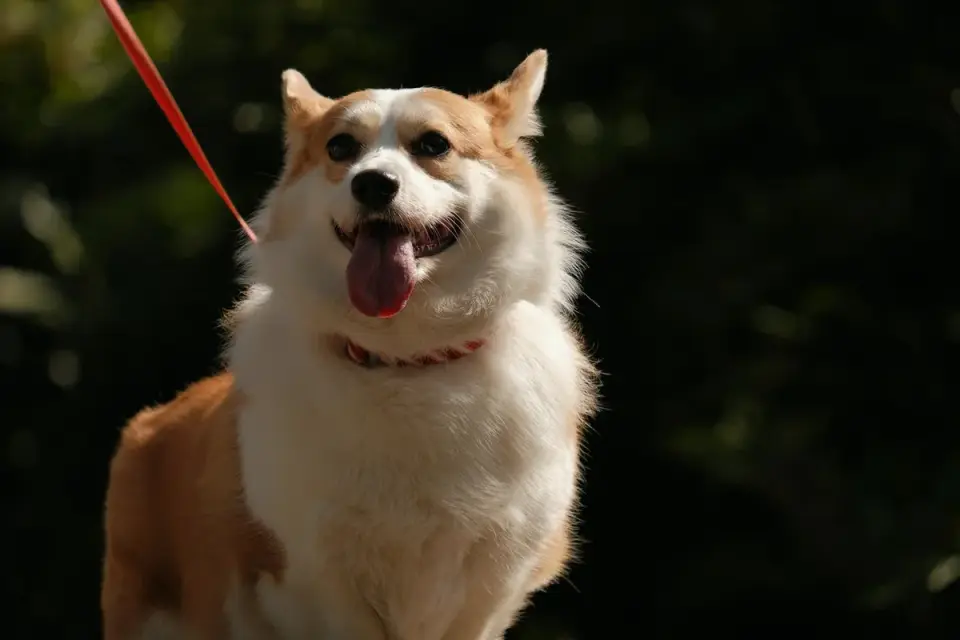
A common question I get is whether one breed “ages better” than the other — and the honest answer, based on the shared skeletal architecture, is that neither has a documented structural advantage over the other.
The bottom line
Pick the corgi whose temperament and size fit your household, then verify hip screening in both parents and, for Cardigans, DM and PRA-rcd3 testing, before you factor in tail or ear shape at all.
Frequently asked questions
Are Pembroke and Cardigan Welsh Corgis the same breed with different tails?
No. They are genetically distinct breeds with separate origins; the Cardigan is the older of the two by roughly two thousand years, and the tail difference is one of several structural distinctions, not the defining one.
Does a bobtail or docked tail mean a corgi has spinal problems?
Not by itself. Research on the T-gene mutation behind Pembroke bobtails found no congenital spinal defects in dogs carrying a single copy of the mutation; issues were seen only in dogs carrying two copies, a much smaller subset.
Which corgi breed has worse hip dysplasia risk?
Both breeds are recognized as susceptible to hip dysplasia, and neither should be assumed "safer" without OFA hip screening on the specific parents involved.
Sources
- A study of inherited short tail and taillessness in Pembroke Welsh corgi — PubMed
- Pembroke Welsh Corgi — Veterinary Genetics Laboratory, UC Davis
- Hip Dysplasia — Cardigan Welsh Corgi Health Foundation, Inc.