Beagle Care: Exercise and Scent-Driven Behavior
A beagle's nose runs the household — here's how much exercise and structure actually keeps that instinct from running you instead.
On this page
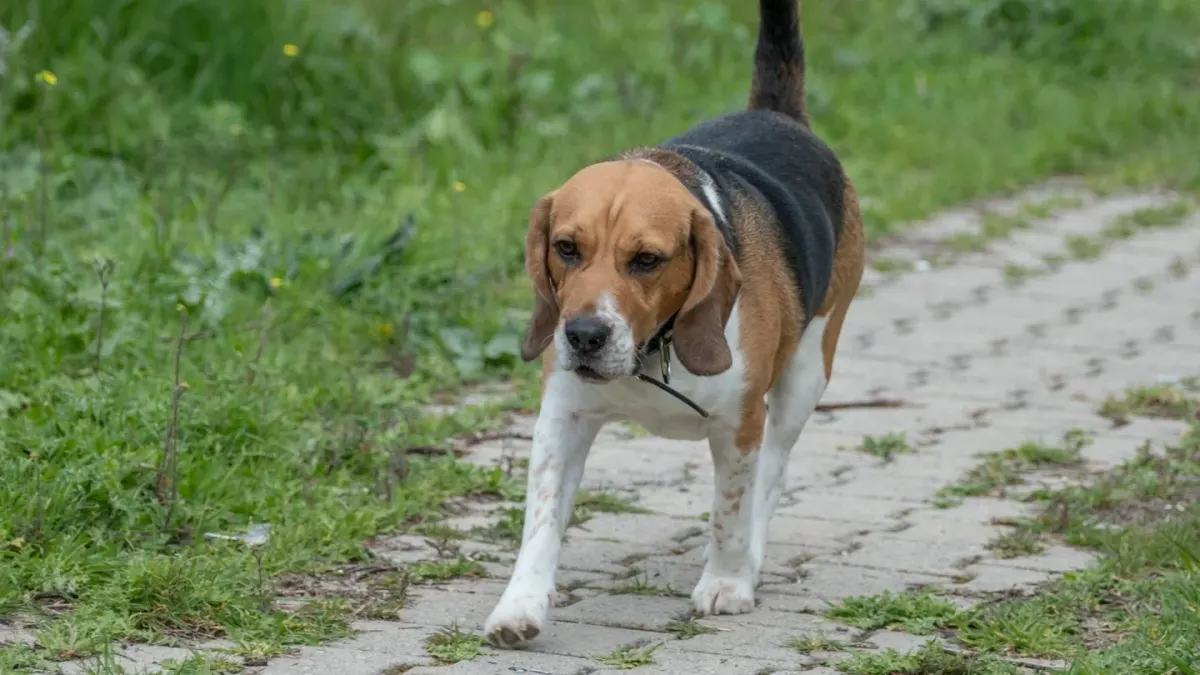
A beagle named Clementine came into my exam room at eleven months old because her owners couldn’t get her back on a leash after she caught a scent trail at the dog park. She wasn’t defiant, exactly. She was thirteen inches of pure hound doing exactly what she was bred to do, and no amount of calling her name competed with whatever her nose had found. Her owners had assumed a daily half-hour walk would be plenty for a dog her size. It wasn’t, and the gap between what they were giving her and what she needed was showing up as bolting, counter-surfing, and a body condition score that was already creeping past ideal.
My verdict, up front: beagles need close to an hour of real daily activity that engages the nose, not just the legs, and owners who skip the scent-work piece end up managing behavior problems instead of preventing them. The Embark Veterinary: American Kennel Club describes the breed as high-energy dogs who need at least an hour of daily exercise and who can become destructive when left under-stimulated. That number surprises people who picture a beagle as a couch-friendly small dog. It’s a working scent hound bred to track rabbit and hare on foot for hours, and its brain doesn’t know the difference between a hunting field and a suburban backyard.
Why a walk around the block isn’t enough
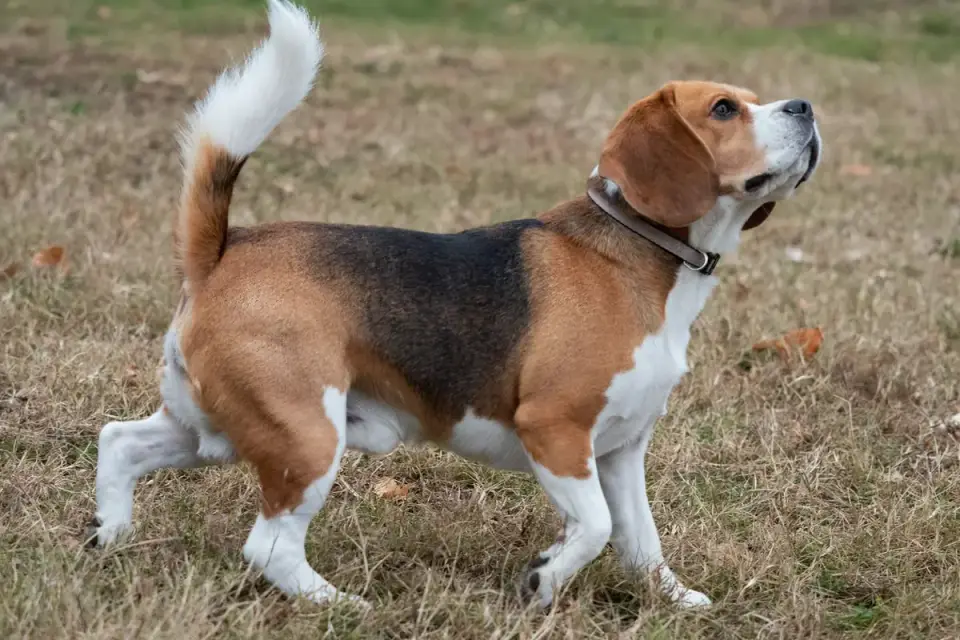
The instinct that makes a beagle a beagle is the same instinct owners fight against every day. Scent hounds process the world through smell first, and a beagle’s nose has a genetically outsized capacity for tracking odor trails compared with breeds selected for sight or guarding work. A leash walk at a steady human pace lets a beagle sniff, but it doesn’t let the dog work the way its body expects to work. That’s the distinction I try to get owners to sit with: exercise for a beagle isn’t primarily about cardio, it’s about giving the nose a job before the dog invents one of its own — usually in the trash, under the fence, or three streets over chasing a rabbit trail.
I’ve watched this play out dozens of times with young, intact or recently neutered beagles between eight months and two years old, the age window when energy and scent drive peak before maturity settles a dog down. The owners I see most often describe the same arc: a sweet, food-motivated puppy who by month nine is escaping the yard, howling when left alone, or gaining weight because treats became the default way to keep the dog occupied indoors. One case that stuck with me was a two-year-old male beagle, about 28 pounds, whose owners had tried crate training, a bigger yard, and two walks a day, and nothing touched the digging and fence-testing. What changed the trajectory wasn’t more miles walked — it was adding 15 minutes of structured nose work, hiding kibble in a snuffle mat or scattering it in the yard, twice a day. Within about three weeks, the fence-testing dropped off noticeably. The dog wasn’t tired from exercise; he was satisfied because his nose had a job.
What “enough exercise” actually means for this breed
I tell owners to think in two separate buckets, because beagles need both and one doesn’t substitute for the other.
The first bucket is physical output — brisk walking, off-leash time in a securely fenced area, or a long-line hike, adding up to roughly 45 to 60 minutes most days, split across two sessions rather than one long one. The second bucket is scent engagement — snuffle mats, scatter feeding, short tracking games in the yard, or nose-work classes. A dog that gets an hour of walking but zero scent work is still an under-stimulated beagle. In my experience the scent-work bucket is the one owners skip first, because it looks less like “real” exercise, and it’s the one that actually resolves the barking, the escape attempts, and the selective deafness on walks.
Off-leash freedom is where I’m most direct with clients, and it’s the piece where I push back on what a lot of general breed guides suggest. A beagle’s recall is not reliable once the nose engages with a strong scent trail, and that isn’t a training failure so much as a hardwired override. I don’t recommend off-leash exercise for beagles in unfenced areas, full stop, regardless of how well-trained the dog seems in the yard. A long line — 20 to 30 feet, used in an open field — gives a beagle the feeling of freedom to range and sniff without the risk of a scent trail ending at a road.
The ear and weight tradeoffs that come with the territory
Two health realities track closely with how beagles are built and how owners tend to exercise them. Beagles carry roughly 2.5 times the risk of otitis externa — outer ear infection — compared with crossbred dogs, according to a large UK primary-care BioMed Central / NCBI PMC: study published via BioMed Central, which places the breed among the five most affected in that dataset. The long, low-set ears that help funnel scent toward the nose also trap moisture and reduce airflow, and beagles that swim or spend a lot of time nose-down in wet grass are more prone to flare-ups. I check ears at every visit on this breed and tell owners to do a quick look and sniff weekly — a yeasty odor or head-shaking after outdoor time is worth a same-week appointment, not a wait-and-see.
Weight is the other one. Early growth patterns matter more than most owners expect: a longitudinal study of female Beagles found that faster neonatal growth rate and higher body condition score at seven months were predictive of adult obesity, with 15 of 24 dogs in the study tracked by PubMed becoming overweight by adulthood. Combine a food-driven breed with a household that free-feeds or over-relies on treats for mental stimulation, and the setup for excess weight writes itself. This is exactly where the two exercise buckets matter for a second reason — scent-work games let owners use the dog’s actual daily food ration as enrichment instead of adding calories on top of meals.
Where I still land, and what I’d tell you directly
Near the end of Clementine’s follow-up visit, about two months after her first one, her owner told me the biggest shift wasn’t the extra walk time — it was learning to let the dog sniff on purpose instead of treating sniffing as a delay to get through. That’s the reframe I want every beagle owner to make. A beagle that races off after a scent isn’t badly behaved; it’s an under-utilized scent hound. The counterargument I take seriously is that not every household can realistically give a dog an hour of structured activity daily, and for those owners I’d rather see 30 minutes of walking plus 15 minutes of real nose work than 60 minutes of walking with no scent engagement at all — the second bucket does more behavioral work per minute than the first. If you’re choosing where to spend a limited amount of time and energy on a beagle, spend it on the nose, secure the fence line or use a long line for anything off-leash, and check the ears weekly. Those three habits prevent more of what lands beagles in my exam room than anything else I could add to the list.
This breed also tends to get compared with other independent, food-motivated dogs when families are choosing between working and companion lines — our guide to Best Low-Maintenance Dog Breeds for Busy People is worth a look if a beagle’s activity needs feel like more than your schedule can absorb. If you’re weighing a scent hound against other active mid-size breeds, our comparison of Border Collie vs Australian Shepherd covers a different kind of high-energy tradeoff, and our piece on Doodle vs Purebred Poodle is a useful reference point for owners comparing coat and grooming demands across breeds too.
Frequently asked questions
How much exercise does a beagle actually need each day?
Plan on roughly 45 to 60 minutes of physical activity split across two sessions, plus a separate period of scent-based enrichment like a snuffle mat or scatter feeding — the nose work isn't optional extra credit, it's part of the daily requirement for this breed.
Can beagles be trusted off-leash?
Not reliably in unfenced areas. A strong scent trail can override recall training regardless of how obedient the dog seems elsewhere, so a securely fenced yard or a long line in an open field is the safer way to give a beagle range to sniff.
Why are beagles so prone to ear infections?
Their long, low-set ears reduce airflow and trap moisture, and beagles that swim or spend a lot of time nose-down outdoors are especially prone to flare-ups. Weekly checks for odor or head-shaking catch most problems early.
Sources
- Beagles: Dog breed info, photos, common names, and more — Embark Veterinary
- Frequency and predisposing factors for canine otitis externa in the UK — BioMed Central / NCBI PMC
- Higher neonatal growth rate and body condition score at 7 months are predictive factors of obesity in adult female Beagle dogs — PubMed