
On this page
You can still smell the salt on him in the parking lot, that damp-boardwalk mix of sunscreen and wet Lab. Your 6-year-old, 72-pound retriever shakes hard enough to rattle the tailgate, then starts chewing at his front paws while sand sifts out of his belly fur onto your shoes. You have fresh water in a jug, a stack of old towels, and a 40-minute drive home, and the decision in front of you is simple: do a quick field rinse now or wait for a full bath later. I counsel clients to rinse now, even if it is imperfect, because dried salt keeps pulling moisture from skin and sand keeps abrading the spaces between toes for hours after you leave.
My verdict for most beach dogs is this: freshwater rinse within hours, light dog-safe wash only if needed, then complete drying with special attention to ears and paws. That sequence may help support normal skin barrier function and keeps a fun day from turning into a week of scratching.
Salt does not just sit on the coat.
Why I prioritize rinse timing over soap
Salt crystals, fine sand, and organic debris change the microenvironment of skin and ears. Salt left to dry can leave the coat brittle and the skin feeling tight and itchy, while trapped sand holds moisture against the paw webbing and underbelly. Dogs that swim and then air-dry in a breezy car often stay damp at the skin level far longer than owners expect.
That is why I put timing first and shampoo second. A thorough freshwater rinse removes most of the irritant load without stripping oils, which is consistent with basic bathing guidance from VCA Hospitals to rinse well and avoid leaving residue on skin. Save shampoo for visible film, oily odor, or a dog with known environmental sensitivities. When you do wash, use lukewarm water, a dog-formulated cleanser, and a second complete rinse.
Prevention starts with a baseline you know.
The rinse I want you to do
At the beach lot or trailhead
Offer fresh drinking water first, then rinse. Do not let a thirsty dog drink from your rinse jug after you have washed sand off with it. Work from neck down, lifting ears to let water run over the pinnae without blasting into the canal. Spread the toes and rinse between each one. Rinse the belly, armpits, groin, and under the collar.
Three weeks in to last August, I heard the other version from a client with a 4-year-old, 38-pound spaniel mix who loves to bodysurf. They skipped the parking-lot rinse because she looked clean, then gave only a quick hose-down the next morning and towel-dried the topcoat. By day 10 she was shaking her head after naps and pawing at her right ear, and the owner could see brown waxy buildup at the opening. We talked through low-stress handling for ear checks, drying technique, and when an in-person exam is needed for suspected otitis, rather than trying to flush a painful ear at home.
At home, finish the job
Check the whole dog nose to tail once you have light and warm water. Look for sand packed in paw pads, redness between toes, gritty eyes, or a damp, sour smell in skin folds. Brush or comb before the coat is fully dry if your dog has a double or long coat, because wet mats tighten fast.
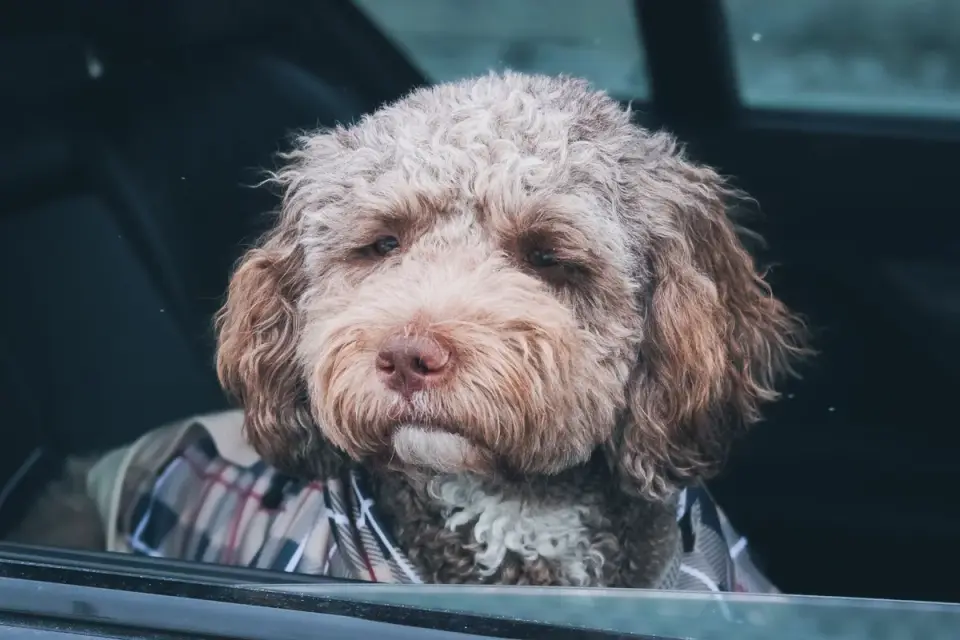
Use a separate eye rinse only if eyes look gritty, and use plain lukewarm water or a canine eye wash your veterinarian has already approved for your dog.
Drying is medical, not cosmetic
Moisture left in ears and skin folds creates the warm environment where yeast and bacteria thrive. Guidance from the Merck Veterinary Manual notes that moisture, debris, and poor ventilation can contribute to outer-ear inflammation in susceptible dogs, which is why floppy-eared and frequent-swimming dogs need extra care.
Pat ears dry with a soft towel, lift and fan them briefly, and avoid cotton swabs deep in the canal. Cleaning technique matters here, and the American Kennel Club reminds owners to clean only the visible outer ear and to stop if the dog shows pain. For the body, press towels rather than scrubbing, then use a low, cool dryer setting held at a distance if your dog accepts it. The coat should feel dry down to the skin, not just on top.
Thorough drying may help support comfort after swimming.
By last fall I saw the edge case that changed my own checklist: a 9-year-old, 54-pound senior with thinning skin and early arthritis who adored wading but shivered for an hour after a cool rinse. Her owner worried less about itch and more about stiffness and fatigue on the ride home, a reminder that for older dogs the travel plan matters too. For seniors, I now counsel warm towels from the car, a wind-blocking layer for the ride, and a rinse with comfortably warm water at home rather than a chilly parking-lot soak. If your senior travels often, the same low-stress handling principles in How to Fly With a Dog: The Complete Guide translate well to beach days. And because beach snacks happen, keep salty and seasoned foods out of reach in the same way Are Onions Toxic to Dogs? Yes — Here’s the Biology Behind the Warning describes for kitchen hazards.
What I do not do
I do not recommend a full shampoo every beach visit for dogs with dry or flaky skin, and I do not recommend digging sand out of ears with swabs, picks, or homemade alcohol mixes. If you see persistent head shaking, odor, dark discharge, limping, cracked pads, vomiting or diarrhea after swallowing seawater, or red, painful skin, call your veterinarian promptly rather than repeating baths.
You cannot prevent every grain of sand.
But you can keep a beach day from living on the skin for a week. Rinse early, wash lightly, dry completely, and your gray-muzzled companion gets the best part of longevity science: more comfortable days doing what he loves.
Frequently asked questions
Do I need to shampoo my dog after every beach trip?
Not always. A thorough freshwater rinse is enough after most short visits. Use a dog-formulated shampoo when the coat feels oily, smells strongly, or holds visible film after rinsing, then rinse twice to remove all residue.
How do I dry my dog's ears safely after swimming?
Pat the outer ear and under-flap dry with a soft towel and allow airflow. Clean only the visible outer ear if your veterinarian has shown you how, and seek care for head shaking, odor, pain, or discharge rather than flushing at home.
Sources
- How To Clean Dogs Ears — American Kennel Club