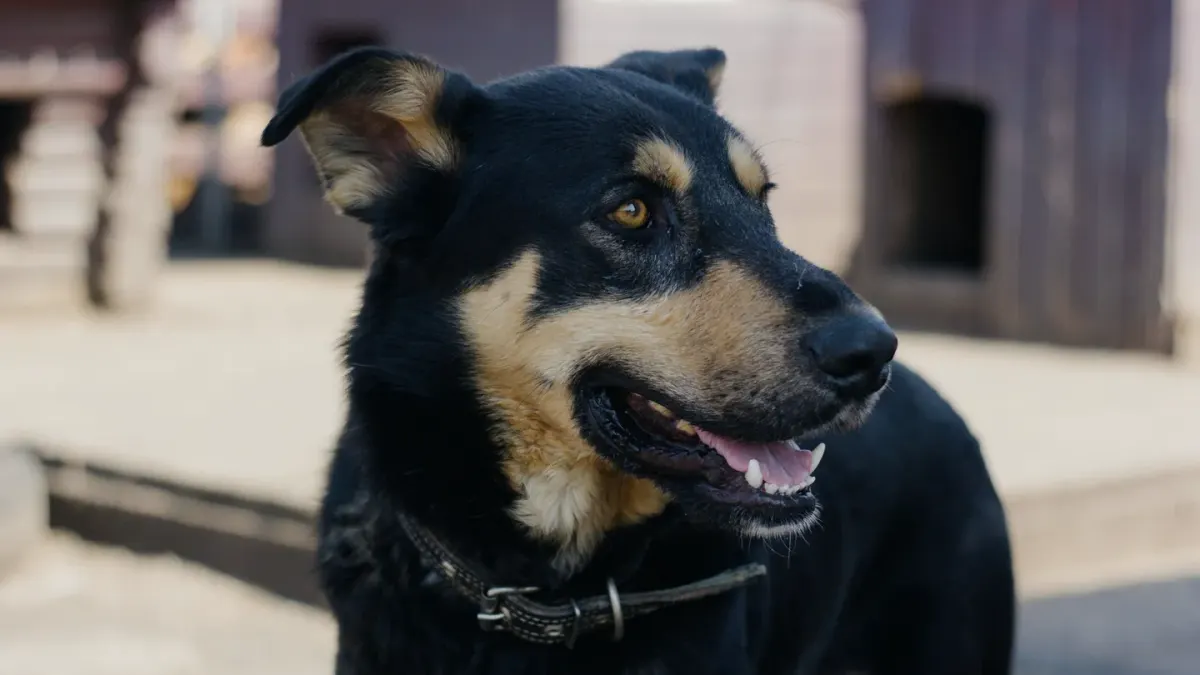
A nine-year-old Blue Heeler still sprints for the ball, still spins at the gate, still acts offended by the word rest — and then takes three careful tries to get into the car afterward. That split screen is classic for this breed.
The American Kennel Club describes the Australian Cattle Dog as sturdy, tireless, and bred for demanding stock work, which explains why many seniors keep their work ethic long after their cartilage, muscle mitochondria, and recovery capacity have changed. My expectation-first counsel for owners is this: plan for an aging athlete, not a retired couch dog, and reshape exercise to protect the body that drive wants to ignore.
What aging changes first in a working body
Cartilage turns over slowly throughout life, and with age the balance shifts toward breakdown and lower water content, which means less shock absorption during hard stops and turns. At the same time, muscle mitochondria become less efficient at making ATP, so an older Heeler fatigues faster and needs longer to clear the metabolic cost of bursts.
A common question is whether NAD+ and cellular-energy supplements can fix that decline. NAD+ is a real coenzyme in energy metabolism, and the National Institutes of Health Office of Dietary Supplements details how niacin-related pathways feed NAD+ synthesis — but that is human nutrient biochemistry, not proof that an oral longevity chew restores a senior dog’s stamina. The mechanism is plausible, the dog data are still thin, and I treat that category as promising rather than proven.
That drive does not protect joints.
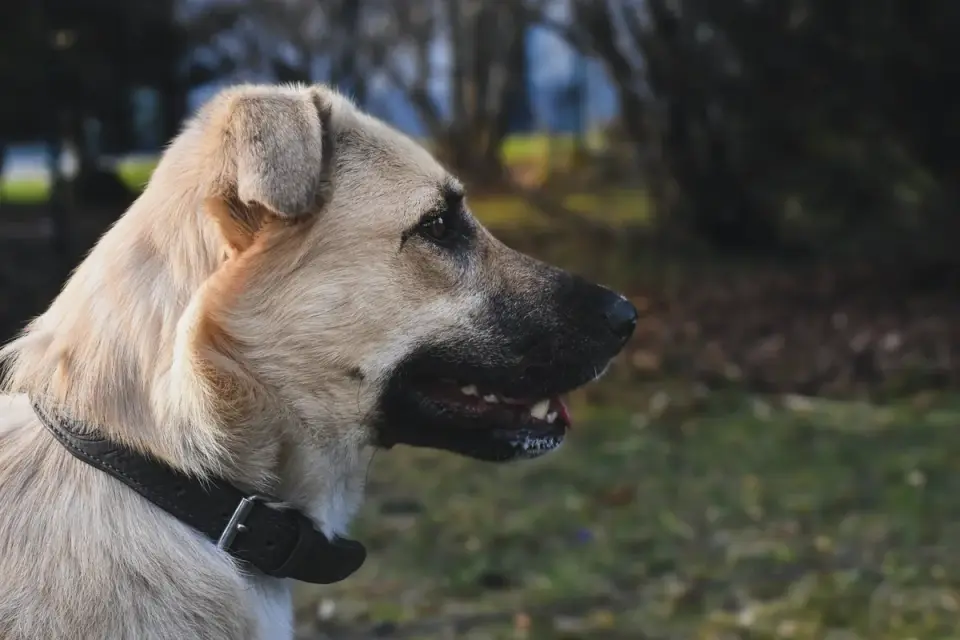
Trade hard bursts for steady work
In practice, vets often see the injury happen on a good day: a weekend of frisbee, herding games, or trail running after a sedentary week, followed by a hind-leg lameness that lingers. VCA Hospitals notes that canine osteoarthritis often shows as stiffness after rest, reluctance on stairs, and reduced willingness to play — all easy to miss in a stoic Heeler that warms out of it.
I would rather you keep daily movement but change the shape. Replace one long, frantic fetch session with two shorter sniff walks plus ten minutes of controlled hill walking or underwater treadmill work if your clinic offers it. Keep herding instinct busy with low-impact nosework, trick training, and puzzle feeding, which tire a Heeler brain without hammering elbows and hips. For ideas that translate well to apartments or small yards, see Exercising a High-Energy Breed in a Small Space.
What I actually monitor after age seven
Baseline matters more than any single supplement label. Expect a senior Heeler to need twice-yearly exams, a recorded body-condition score, a measured weight trend, and a simple mobility log: time to rise in the morning, willingness to jump, distance before lagging.
Weight is the lever owners control most. Even a half-point above ideal body condition measurably increases load on already thinning cartilage, so I counsel monthly weigh-ins and adjusting food by the scale, not the scoop. Keep nails short, add rugs over slick floors, and use a ramp for the car before you think you need one — prevention lands better than rehab.
The counterargument deserves respect: some owners worry that easing off will let an old Heeler lose muscle and fade faster. Deconditioning is real, and complete rest is the wrong answer for most seniors. My landing spot stays the same because the alternative — preserving peak intensity until a cruciate tear or severe flare forces rest — costs more muscle in the end than a planned shift to consistent, moderate work.
For the broader life-stage picture, from puppy structure to senior comfort, the Blue Heeler Care Guide: Raising an Australian Cattle Dog Through Every Life Stage lays out what to watch at each age, and Keeping Double-Coated Breeds Comfortable in Hot Weather is useful when an older, heat-sensitive worker still wants a midday job.
You cannot stop cellular aging, but you can give a gray-muzzled Heeler more good miles by respecting the new physiology inside the same determined dog.
Frequently asked questions
How long do Blue Heelers usually live?
Many live into their early to mid-teens with healthy weight and preventive care, but an individual lifespan depends on genetics, joint health, and other medical factors your veterinarian can help assess.
Should an older Blue Heeler still run and play fetch?
Steady daily activity usually supports mobility better than weekend bursts, so shorten intense fetch, favor leash walks and controlled hills, and ask your vet if persistent stiffness, lameness, or behavior change appears.
Sources
- Australian Cattle Dog Breed Standard — American Kennel Club
- Niacin Fact Sheet for Health Professionals — National Institutes of Health Office of Dietary Supplements
- Arthritis in Dogs — VCA Hospitals