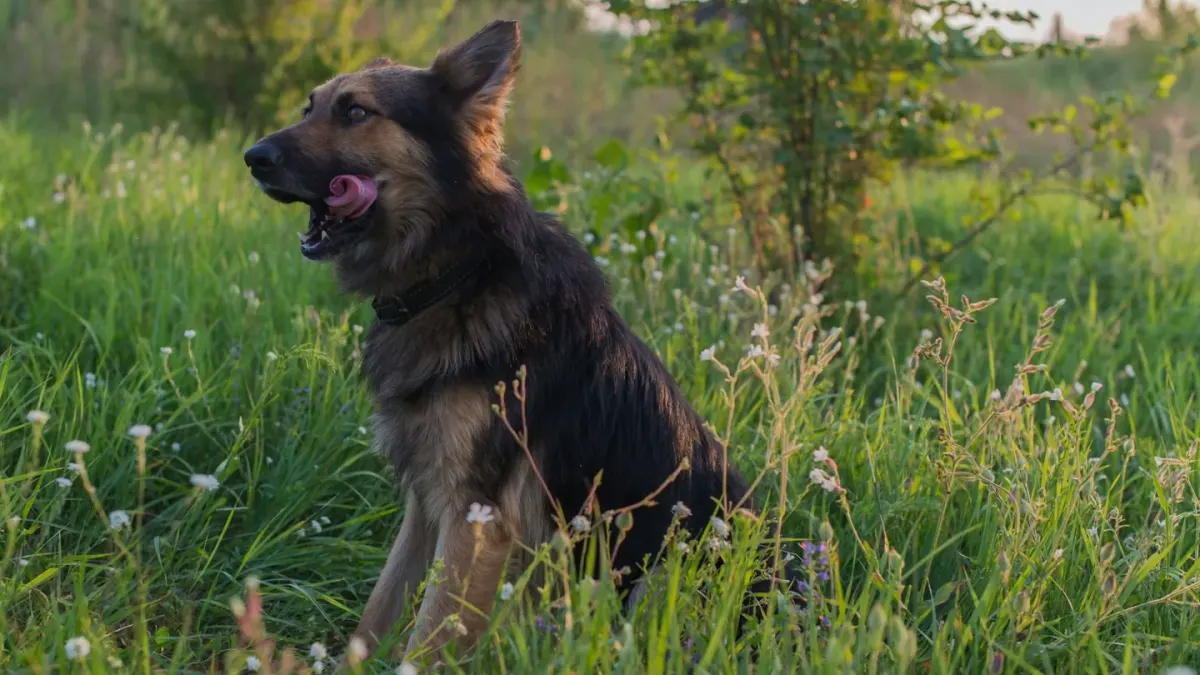
Arthur keeps peeled orange segments on the counter in Tulsa for his grandchildren, and his 10-year-old spayed Havanese Rayne watches every move. One afternoon she got two small pieces, then skipped dinner and passed soft stool for about 24 hours. Vets often see exactly that pattern in older dogs: curiosity rewarded, digestion protesting.
My verdict for touchy senior stomachs
Offer oranges only as an occasional taste, not a routine treat. One or two bite-size segments of peeled flesh for a small dog like Rayne is plenty, and many seniors feel better when you choose a gentler option instead. Do not feed peel, pith in large amounts, or seeds. Keep the total fruit to under 10% of daily calories. Call your veterinarian promptly for vomiting, diarrhea lasting beyond a day, belly pain, or loss of water intake.
That caution is preventive, not alarm. Citrus flesh itself is not listed as toxic, and the American Kennel Club notes peeled oranges can be offered in small quantities with peel and seeds removed.
Why acid and fiber bother older guts
Aging changes tolerance more than it changes need. Stomach acid balance shifts, motility slows, and fiber that once passed quietly can now cause gas and urgency. Oranges bring three triggers together: natural acids, soluble fiber, and sugar water. That mix may help support hydration in a young active dog, yet it can loosen stool in a senior with a history of gastritis, pancreatitis risk, or food sensitivity.
Vitamin C is rarely the reason to feed them. Dogs make their own vitamin C in the liver, and the NIH Office of Dietary Supplements describes vitamin C as a support for normal immune and tissue function, not a dose-dependent boost from fruit.
Serve a taste safely or pick a calmer fruit
Peel the orange fully. Pull off white pith where you can. Remove seeds. Cut flesh into pea-size pieces for small breeds and grape-size for larger dogs. Give one piece. Wait 24 hours. Look for lip-licking, gurgling, soft stool, or skipped meals before you ever offer a second piece.
For weekly fruit, gentler choices usually sit easier. Peeled watermelon without seeds, a few blueberries, or a thin banana slice tend to cause less acid reflux than citrus. The VCA Hospitals fruit and vegetable guide makes the same practical point: safe does not mean well tolerated, so portion and preparation decide the outcome.

Osito, a 3-year-old neutered Soft Coated Wheaten Terrier living with Benjamin in North Las Vegas, shows the other side. A young gut with no vomiting history may handle two orange bites on a walk and stay normal, much like active scent-driven dogs described in Beagle Care: Exercise and Scent-Driven Behavior or high-energy herders in Australian Shepherd Care Guide: Energy, Exercise, and the Genetics That Should Drive Every Decision. Age and baseline matter more than the fruit itself.
When would I change this advice? If a senior dog eats a whole unpeeled orange from the trash, forget maintenance nutrition and watch for obstruction signs: repeated swallowing, drooling, straining, or a painful belly. Peel can irritate and block, especially in small dogs. Withhold more fruit, save the wrapper details, and call your clinic the same day.
Expect a calm gut to settle within a day after one small taste. May help support training variety without promising digestive benefit.
Would a blander fruit keep your senior comfortable while still letting you share that countertop moment?
Sources
- Can Dogs Eat Oranges? — American Kennel Club
- Vitamin C Fact Sheet for Health Professionals — NIH Office of Dietary Supplements