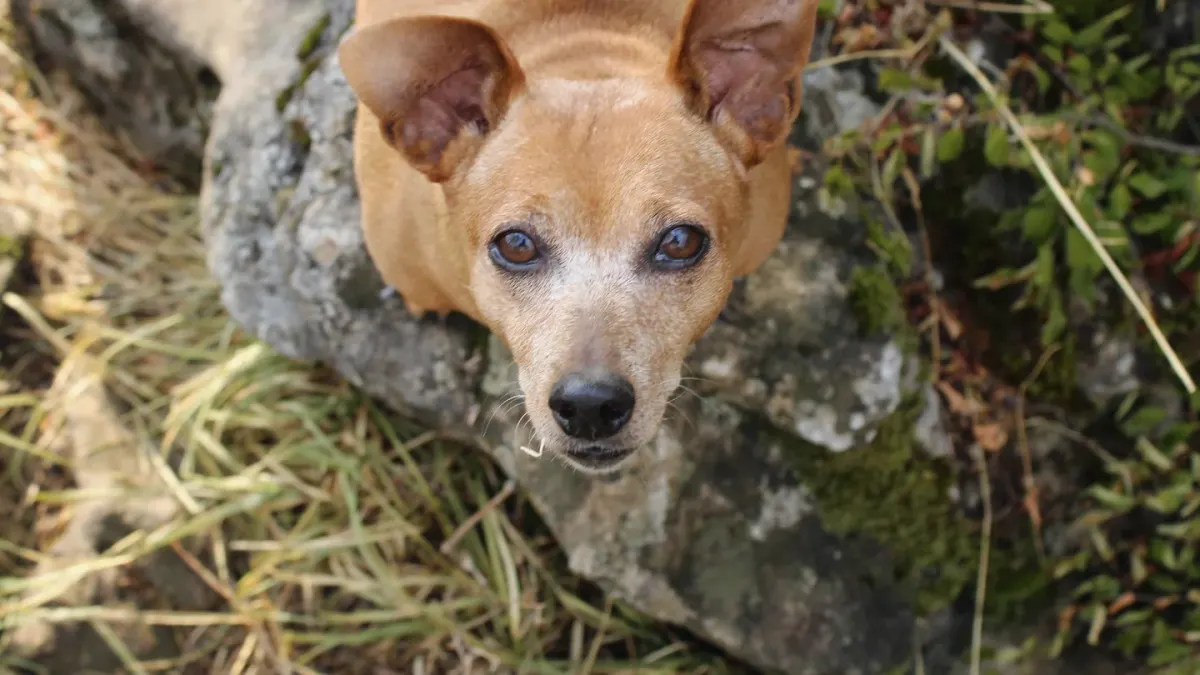
A nine-year-old Golden Retriever, 68 pounds, still beats his owner to the kitchen each morning, but he now pauses for three full seconds at the bottom of the stairs before climbing. His owner worries it is the start of decline. His veterinarian sees something else: a naturally aging animal, living in a real house with real air, food, exercise, stress, and love, showing early shifts in mobility and recovery. That shared environment is exactly why longevity researchers want to study him. In meridian thinking, I read this as Qi becoming less free to circulate with age, and my job is to translate that image into plain tracking of movement, rest, and resilience.
Pet dogs occupy a useful middle ground. Laboratory mice live short, highly controlled lives. People live long, uncontrolled lives that take decades to study. Companion dogs age faster than we do, develop many of the same functional declines, and share our exposures. Follow a large group of pet dogs for a few years and patterns emerge that would take decades to confirm in people.
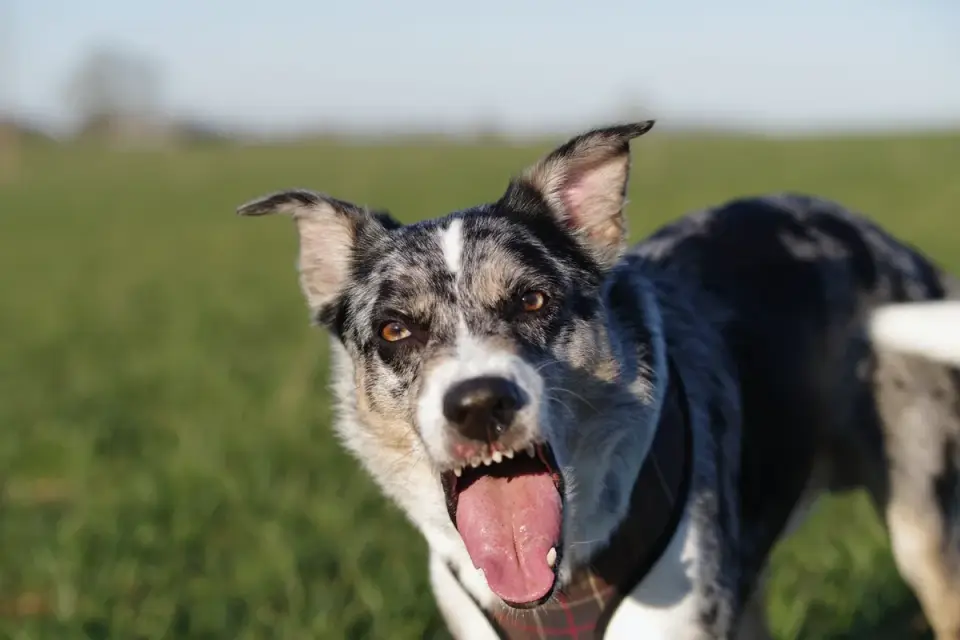
Why a house dog tells more than a lab mouse
The biology comes first. Aging in dogs involves gradual mitochondrial wear, lower efficiency in cellular energy handling, shifts in cartilage turnover, and slower repair after normal activity. Needle-and-herb reasoning describes this as channels losing smooth flow, which may help support discussion of stiffness, fatigue, and slow warm-up without promising reversal.
That framing stays honest only if measurement follows. The Dog Aging Project was built to do this at scale, enrolling tens of thousands of companion dogs living at home and tracking health, environment, activity, and longevity over time. Its design paper in Mammalian Genome lays out why companion animals offer translational geroscience value: genetic diversity, shared environments, and veterinary care that documents real-world decline.
Track what matters in order. Note warm-up time on walks. Note stair hesitation, slip frequency, and recovery after play. Note sleep depth, appetite steadiness, and interest in work. Short daily notes beat memory.
A seven-year-old mixed-breed, 41 pounds, joined a local activity group after her owner tried a month of extra weekend hikes to “build her back up.” For five straight Saturdays she kept pace, then spent the next two nights restless and slow to rise. The owner added fish oil, then a joint chew, then cut food back, changing three things at once. Nothing clarified. When the owner returned to one steady 25-minute morning walk and logged stair climbs for 21 nights, the pattern showed: good first day, flat second day. The failed approach was not lack of effort. It was too many inputs and no baseline.
What researchers actually track over a dog lifetime
Longevity work in pet dogs rarely chases one blood value. It tracks function.
Researchers record gait, frailty markers, cognitive signs, body condition, illness history, medication use, diet, home environment, and ultimately lifespan and cause of death. Some cohorts add activity monitors, owner surveys, and banked samples for later study of metabolism and inflammation. The goal is to link early, observable change to later outcome.
This is where my recommendation holds firm. Prioritize steady rhythm over novelty: consistent sleep, measured exercise, healthy weight, dental care, and regular veterinary exams. Those supports may help support normal Qi movement and daily vitality, in plain terms, better circulation, digestion, and rest. Evidence for basics is stronger than evidence for any single longevity molecule.
There is one clear bend in that advice. A thirteen-year-old terrier mix who had slowed to a 0.6-mile shuffling loop began panting through the night and refusing breakfast. Standard guidance would say maintain gentle exercise. That would have been the wrong call. The owner paused long walks, booked a same-week exam, and shifted to three five-minute sniff strolls plus extra bedding and night water access. The exam found pain and early kidney change that needed medical care, not conditioning. Routine supports resume only after the medical issue is addressed.
Learn the difference between normal aging and warning signs in Senior Dog Slowing Down? The Supplements That Actually Help, and Why and Dog Hind Leg Weakness: What Knuckling, Not Limping, Is Trying to Tell You. For energy change after middle age, Did Your Dog’s Energy Drop After Turning 8? What NAD+ Precursor Chews Can and Can’t Do keeps expectations bounded.
Longevity science moves slowly on purpose.
It has to, because a gray muzzle is not a failure to fix.
Frequently asked questions
Why study pet dogs instead of just lab dogs or mice?
Pet dogs have genetic diversity, varied diets and homes, and shared exposures with people, so findings translate more readily to real-world aging.
Does joining an aging study change my dog's care?
Most observational studies track normal veterinary care and owner reports without changing treatment; interventional trials explain risks separately.
What should I track at home if I care about longevity?
Track weight, walk warm-up, stair ease, recovery after play, sleep, appetite, and vet visits — steady trends matter more than any single day.
Sources
- The Dog Aging Project — Dog Aging Project