
On this page
A nine-year-old German shorthaired pointer, 58 pounds, trots two miles with his handler in October and then sleeps for six hours straight. By February he is 61 pounds on the same two cups a day, his ribs harder to feel under a thicker winter coat, his morning warm-up stiffer for the first 10 minutes. The owner worries about thyroid. The real shift is quieter: his resting metabolism — the calories burned to keep brain, liver, gut, and muscle idling — has slipped about 15% since age five, and the food bowl never got the memo.
That is the core change to plan around. Resting metabolism falls with age in dogs, mostly because lean tissue shrinks and cellular engines run less hot.
Check what matters first:
- Expect 20-30% fewer maintenance calories by late senior years versus young adult, not because of one birthday but as muscle and activity taper.
- Protect muscle before you cut calories. Protein adequacy and conditioning work set the floor for resting burn.
- Score body condition every 2 weeks, not weight alone — coat, fluid, and muscle loss hide fat gain.
- Feed to the dog in front of you. Neuter status, size, and daily movement shift needs more than age charts do.
- Rule out medical mimics if loss is sudden: hypothyroidism, Cushing’s, or pain-driven inactivity.
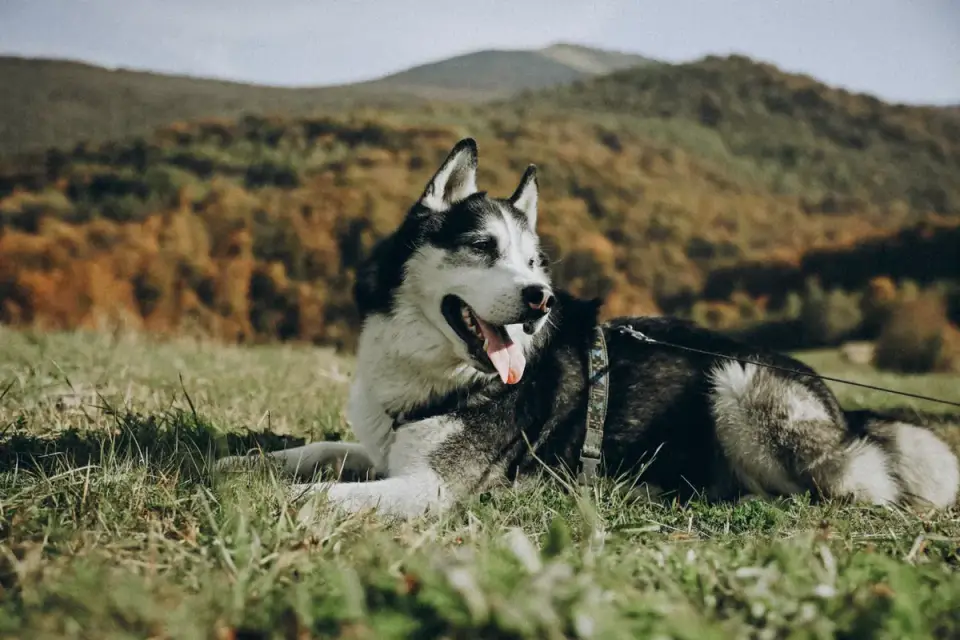
Resting burn drops because the engine gets smaller
Resting energy requirement is the cost of staying alive at rest in a thermoneutral room. Maintenance energy is resting cost plus activity, digestion, and thermoregulation. In dogs both fall with age, but resting is the anchor.
The National Academies Press nutrient requirements work lays out that framework: maintenance needs scale with body weight and life stage, and older, less active dogs cluster at the low end of the range. A later meta-analysis in the British Journal of Nutrition pooled adult dog data and found the same pattern — age, neuter status, and activity explain much of the variation around the mean.
Biology explains why. Skeletal muscle is metabolically expensive. As dogs lose type II fibers after middle age, there is simply less tissue demanding ATP at rest. Mitochondria in remaining muscle also respire less efficiently, with lower oxidative capacity and more proton leak. Liver and gut mass turn over more slowly. The result is less heat produced per pound.
Small breeds hold resting rate per pound higher than large breeds at every age, then decline later and more gradually. Large and giant breeds start lower per pound and slide earlier, often by 6 or 7.
What the numbers actually look like
No single equation fits every senior. Handlers do better thinking in ranges.
Young adult pet dogs often maintain on roughly 95-130 kcal per kg^0.75 per day. Many healthy seniors hold weight on 75-100 kcal per kg^0.75, a drop handlers feel as “he gets fat on air.”
That drop is not linear.
Activity usually falls first. Then muscle follows.
A failed approach I see in retired field dogs shows the tradeoff. A seven-year-old Labrador, 72 pounds, retired from 4 waterfowl hunts per season to house-dog life with two 20-minute leash walks a day. The owner cut food by one-third overnight to prevent weight gain, from 1,200 kcal to 800 kcal, while stopping all retrieves. Within eight weeks the dog lost 4 pounds but looked softer through the topline, lagged on stairs, and stole food. Cutting energy without keeping protein near 25-30% dry matter and without loading muscle left resting metabolism lower than before. Less muscle, less burn, more hunger.
FEDIAF feeding guidelines make the same practical point from the industry side: senior maintenance allowances in the FEDIAF nutritional guidelines run lower than for active adults, but protein and essential nutrients should not be diluted when calories drop. Feed less volume of a nutrient-dense formula, or add water and fiber for satiety, rather than feeding a thin adult food in tiny amounts.
Muscle sets the floor
If you remember one mechanism, make it this: lean mass defends resting metabolism.
Conditioning preserves it. Twice-weekly hill walks, controlled retrieves on soft cover, cavaletti poles, swimming for arthritic dogs — all signal muscle to stay. Daily protein does the rest. Older dogs need at least as much high-quality protein as young adults to maintain nitrogen balance, often more per calorie because they eat fewer calories total.
Body condition scoring beats the scale here. Palpate ribs with light pressure, look for a waist from above and an abdominal tuck from the side. Recheck every 14 days when adjusting food by 10% steps. If ribs vanish under fat but thigh muscle feels flat, you have simultaneous fat gain and muscle loss — the classic aging pattern.
For context on why movement fades, see Senior Dog Slowing Down? The Supplements That Actually Help, and Why and Dog Hind Leg Weakness: What Knuckling, Not Limping, Is Trying to Tell You.
When the usual math bends
An eleven-year-old cattle-dog mix, 34 pounds, adopted at age nine with early kidney disease and a mouth with only 18 teeth remaining, complicates the standard “cut calories, keep protein” advice. She eats three small meals totaling 480 kcal a day because one large meal causes vomiting by hour six, and she holds a 4-out-of-9 condition only if food is softened with warm water for 15 minutes. Her veterinarian keeps protein moderate rather than high and phosphorus restricted, prioritizes omega-3s and B-vitamin retention, and tracks muscle with thigh circumference every 60 days instead of pushing weight loss. Resting metabolism still runs low, but nutrient limits force a different lever: meal frequency, texture, and digestibility matter more than a straight calorie cut.
That is the exception that proves the rule. Healthy seniors: defend muscle, trim calories slowly. Dogs with kidney, liver, or dental disease, or dogs on thyroid or steroid drugs: let bloodwork and condition set the plan.
Brain aging can also raise restlessness while lowering true activity, which confuses owners. Pacing at night burns little but breaks sleep. For that piece, background on cognitive support in Ginkgo Biloba for Dog Brain Health: What the Evidence Actually Supports and Did Your Dog’s Energy Drop After Turning 8? What NAD+ Precursor Chews Can and Can’t Do helps set expectations.
What to do tomorrow
Start with measurement. Weigh food in grams for seven days. Log walks, training minutes, and table scraps. Weigh the dog at the same time of day on the same scale. If weight climbs more than 2% in a month with no change in food, resting plus activity burn has fallen below intake.
Then adjust in this order:
- Keep protein steady and cut fat and starch first, usually a 10% calorie trim.
- Add two short strength sessions per week before longer cardio.
- Warm arthritic dogs for 5 minutes before work; cold starts cost muscle.
- Recheck condition in 14 days, not 24 hours.
No supplement restores youthful resting rate. Antioxidants and mitochondrial nutrients are studied for cellular support, but none replaces lean mass and movement. I make no promise the data won’t back, and on metabolism the data backs conditioning first.
Feed the gray muzzle for the engine he has now, not the one he had at three.
Frequently asked questions
At what age does a dog's resting metabolism start to slow?
Most dogs show lower maintenance needs by 7-8 years, earlier in giant breeds and later in small breeds. Track condition and intake rather than using age alone.
Should I switch to a senior food just because my dog is old?
Switch when calories need to drop but nutrient needs stay high. Choose a nutrient-dense senior or adult formula and feed less of it, keeping protein adequate to defend muscle.
Why is my senior dog gaining fat but losing muscle?
That combination is typical: falling activity and anabolic resistance shrink muscle while even a small calorie surplus stores as fat. Prioritize protein, strength-type activity, and 10% calorie steps guided by body condition.
Sources
- Nutrient Requirements of Dogs and Cats — National Academies Press