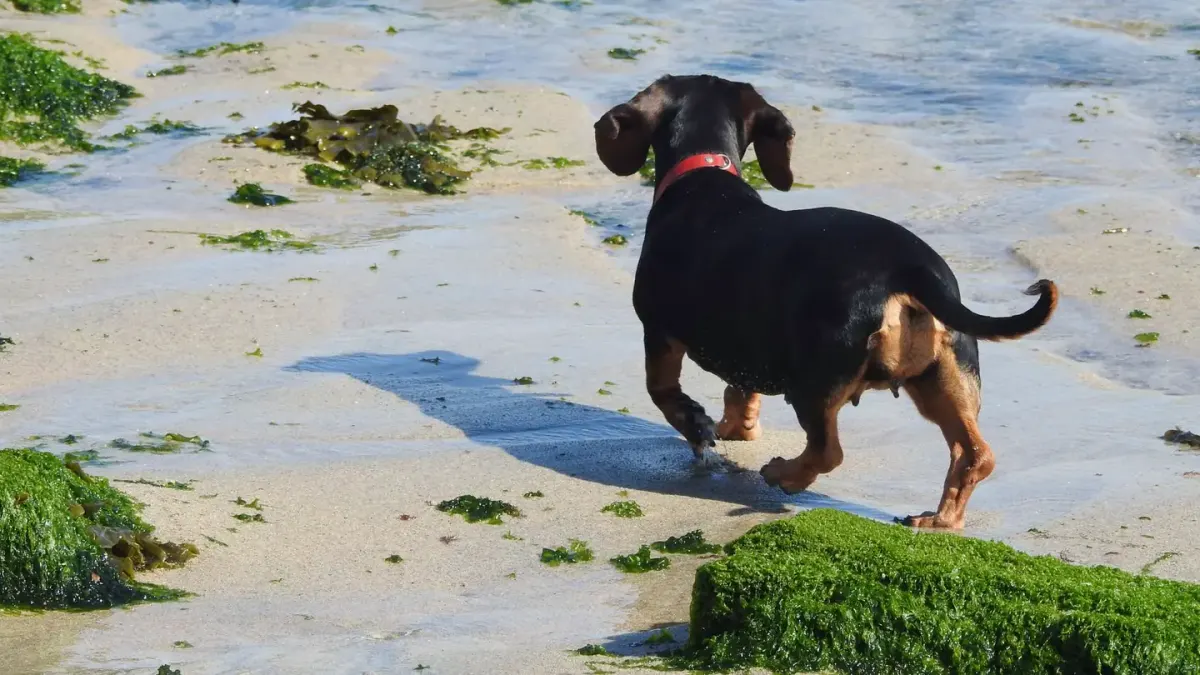
Low energy is not the absence of curiosity. The myth I correct most often is that a senior dog who will not chase a ball needs less engagement; what that dog needs is engagement that costs less movement and pays more in nose and brain work.
My low-exertion checklist for the gray-muzzled dog
- Keep every session seated or lying down — snuffle mat, lick mat, cardboard foraging box
- Lead with scent, not steps: scatter feeding, scent trails for beginners
- Feed the brain through food therapy: adequate protein, omega-3s, and antioxidant nutrients to may help support normal cellular function
- Grade difficulty in 2-minute increments; stop while the dog still wants more
- Track one observable marker daily: latency to engage, tail carriage, or willingness to finish
I met that tradeoff in a 13-year-old Labrador mix, 68 pounds, who would lie by the back door and watch the younger dog retrieve. His owner worried he was depressed. On exam he had stiff hips, worn canines, and a history of leaving breakfast half-eaten. We set a chair-level snuffle mat with a third of his kibble, plus a lick mat with wet food thinned with water. By day 10 he was trotting to the kitchen when the mat came out, and his latency to engage fell from nearly a minute to under 15 seconds. The walk distance had not changed. The decision to participate had.
What aging actually changes
Mitochondrial efficiency declines, cartilage turnover slows, and olfaction and sleep-wake cycling blunt. That is why an old dog tires after five minutes of fetch but can still dissect a cardboard box foraging game for ten minutes lying down. The Merck Veterinary Manual describes this pattern under canine cognitive dysfunction, where disorientation and altered interaction reflect brain aging rather than disobedience.
I weigh supplements the way I weigh diet: what can they realistically do for mobility and recovery inside a complete ration. The NIH Office of Dietary Supplements reviews niacin and related NAD+ biology as central to normal cellular energy metabolism, which is why NAD+ precursors such as nicotinamide riboside are studied for cellular support. The evidence in dogs remains early, and no precursor replaces protein, calories, joint comfort, or sleep.
Where I land, and the counterargument I respect
The strongest counterargument is that a tired senior just needs rest and pain control, not puzzles. Rest matters, and pain control matters more. But rest alone does not maintain olfactory circuits or foraging confidence.
My position: prioritize low-load nosework and food puzzles first, nutrition second, and targeted cellular-support nutrients only as an adjunct inside a balanced diet.
The failed approach I see is the weekend overhaul. A 11-year-old beagle, 29 pounds, came in after his family bought three levels of hard plastic puzzles and a 45-minute nosework class. For three weeks in he refused all of them, then started guarding the hardest one. We stripped it back to one open cardboard box with kibble scattered in crumpled paper, fed at floor level for three minutes after his evening potty walk. He ate better that week because the challenge matched his mouth and hips, not because the toy was smarter.
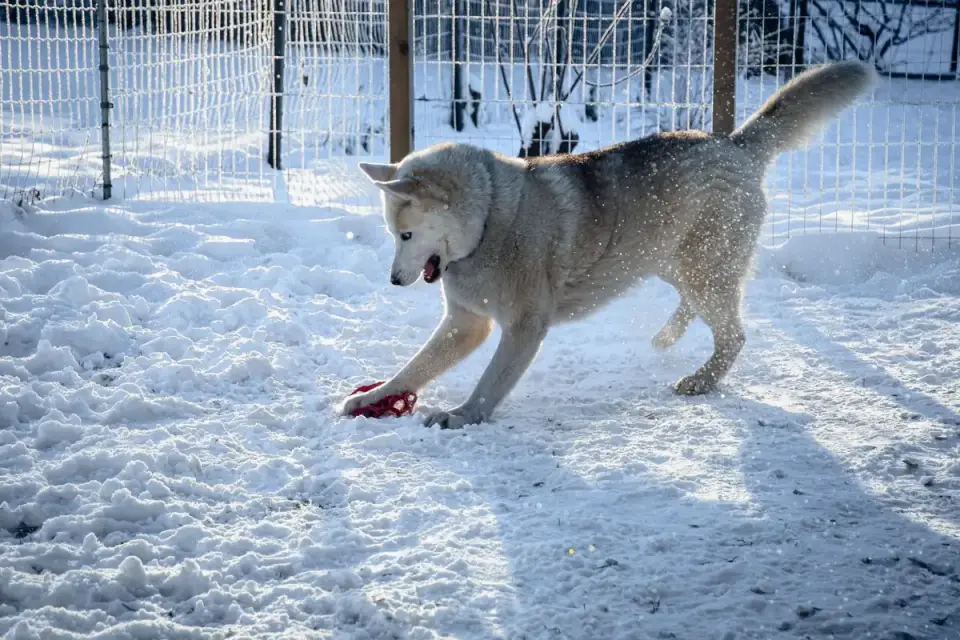
Enrichment must be quality-controlled, too. The National Animal Supplement Council maintains standards for animal supplement manufacturing and labeling, and I ground an integrative claim in the nutritional evidence the same way: look for a complete-and-balanced base diet, a clear ingredient panel, and feeding directions by body weight before adding anything marketed for longevity.
A quiet week that actually works
Keep sessions to 5 to 10 minutes, once or twice daily, on a non-slip rug. Rotate textures rather than adding time.
An edge case changed how I prescribe this. A 15-year-old terrier mix, 14 pounds, with missing teeth and sundown pacing could not lick firmly or nose deep into fabric. Her owner assumed puzzle feeders were finished for her. We switched to a shallow saucer with warm, soft food dotted around the rim and a short scent trail of three treats leading to her bed. For ideas scaled to small mouths and low stamina, see enrichment ideas for small-breed dogs. By week two she settled faster after dinner and chose the saucer over wandering.
That is the goal.
For a dog with missing teeth or a tender mouth, puzzle feeders adapted for missing teeth keep licking and foraging accessible without jaw strain.
Frequently asked questions
How long should enrichment last for a low-energy senior?
Start with 3 to 5 minutes of seated sniffing or licking once daily, then add a second short session only if the dog engages quickly and rests comfortably afterward.
What if my senior dog ignores food puzzles?
Lower the difficulty, soften the food, feed at floor level, and rule out mouth pain, nausea, or orthopedic discomfort with your veterinarian before pushing harder puzzles.
Can diet help support an aging dog's energy for enrichment?
A complete-and-balanced senior diet with adequate protein and omega-3s helps maintain muscle and normal cellular function, which lets a dog participate more comfortably; supplements are only adjuncts.