On this page
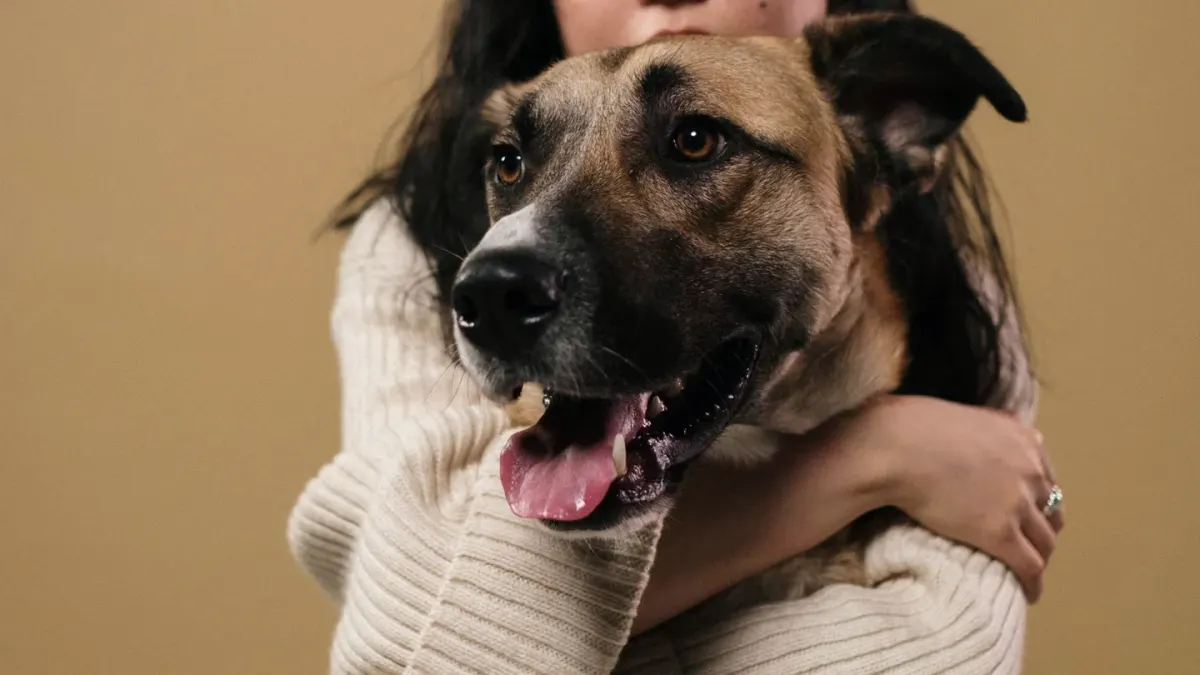
Tuesday at 7 a.m., you reach for your keys on the hook by the door and hear nails skitter across the kitchen floor. Milo, a four-year-old, 48-pound mixed breed, is suddenly awake from his bed, panting, pacing to the doorway, eyes locked on your shoes. You have not left yet. You have not even put on your coat. But his body is already acting as if you are gone, whining low while he follows each small movement you make toward the door.
That moment is the whole problem in miniature. Dogs learn by sequence, and departure cues like keys, shoes, a bag, or a coat become reliable predictors. Expectation first: we cannot talk a dog out of that prediction. We have to retrain it with so many safe, boring repetitions that keys stop meaning departure.
My position is direct. For mild cue reactivity, structured desensitization to departure cues should come before longer absences, before adding background noise or food puzzles as cover, and before assuming the dog needs to just get used to being left. The strongest counterargument is that this work is slow and feels silly — pick up keys, sit down — while owners want progress today. I still land here because flooding a worried dog with real departures tends to strengthen the fear, not resolve it.
Why keys became a warning signal
From a learning perspective, your morning routine is classical conditioning on repeat. Keys jingle, then you leave. Shoes go on, then you leave. After hundreds of pairings, the cue alone triggers the stress response: vigilance, lip licking, yawning, pacing, whining, shadowing, loss of appetite for a chew that was interesting five minutes earlier.
This is different from general hyperactivity or boredom. Cue-specific anxiety has a tight timeline. The dog is settled until the first cue appears, then arousal climbs step by step with each added cue. The Merck Veterinary Manual describes that pattern in separation-related distress, where distress begins before or soon after departure and centers on the owner’s absence rather than the environment itself.
Prevention matters here for aging dogs too. Chronic anticipatory stress may help support nothing — it taxes sleep, appetite, and recovery. Keeping baseline arousal low may help support learning and a calmer daily rhythm.
What a calm baseline looks like before you train
I will not start cue work when a dog is already over threshold, in pain, or getting less sleep and exercise than it needs. Rule out medical contributors first: urinary discomfort, gastrointestinal upset, itchy skin, or cognitive change in seniors can lower tolerance for alone time. Then set the day up for learning.
That means a sniffy walk or gentle play earlier, not a marathon fetch session right before you practice. It means a consistent departure routine for real absences while you train separately, and video if you can get it. A two-minute phone video tells me more than any owner report about panting, circling, or door scratching when you are actually gone.
If you see panic — escape attempts, self-injury, howling through the whole absence, or elimination despite regular access — pause solo training and read about when escalation needs professional eyes in Trainer vs Behaviorist vs Veterinary Behaviorist: Who to Call. That distinction changes the plan.
The failed shortcut almost everyone tries
The second week with Milo, his owner tried to be efficient. She put on her shoes, jingled her keys, and left for a quick grocery run to prove he could settle, hoping the short trip would build confidence. By day 10 she had video of him drooling at the door, chewing the doorframe, and ignoring the frozen Kong that usually kept him busy for twenty minutes. The timeline told the story: arousal at keys by 0, full pacing by departure, no rest for the entire forty-minute absence.
It is an understandable tradeoff. Real life requires real departures, and practicing fake cues feels unproductive. The problem is pairing the feared cues with the feared outcome again only confirms the prediction. Desensitization needs the opposite — cues presented without departure, at an intensity the nervous system can actually dismiss.
That is also why I am cautious about scolding or crating a panicked dog to contain the behavior. Containment without changing the underlying association often raises arousal, and arousal is what we are trying to lower. For help sorting loud, lunging behavior from true distress, owners often benefit from Reactive Dog or Aggressive Dog? How to Tell the Difference (And Why It Matters).
Short, boring repetitions win.
Unpair the cues while you stay home
Pick one cue at a time. Keys are usually easiest because you can handle them without moving toward the door.
Start below threshold. Touch the keys without lifting them, then go back to your coffee. Later, lift them, set them down, and fold laundry. Then carry them to the couch, watch television, return them. The criterion is simple: the dog notices, then chooses to disengage. Reward that disengagement calmly with a quiet treat tossed to the bed, not a party. You are marking the choice to settle, not distracting with a cue to sit.
Once keys are boring across three to five short sessions per day for several days, add shoes. Put shoes on, then make lunch. Put shoes on, then read mail. Put coat on, then take shoes off. Mix the order so the sequence loses meaning. Keep sessions under five minutes. End while the dog is still under threshold.
When individual cues are neutral, combine two at low intensity: shoes plus keys, no bag, no door. Then shoes plus coat, still no departure. If the dog stiffens, paces, or starts shadowing, you moved too fast. Drop back to the last easy step for another day. Three weeks in is a realistic horizon for mild cases to look noticeably duller in their response, not cured.
Add duration and distance only after cues fade
Only when keys and shoes draw a glance rather than a scramble should you add movement toward the door. Touch the doorknob, release, sit down. Open the door, close it, stay inside. Step into the hallway for three seconds, return before anxiety builds, keep your return low-key.
Build absence in seconds, not minutes, then vary it: 10 seconds, 30 seconds, 5 seconds, a minute. Unpredictability prevents the dog from bracing for a steadily increasing trial. Pair your return with nothing exciting — no big greeting, just quiet presence — so arrivals stop spiking arousal too.
Keep real departures as clean as possible during this phase. Use a different set of exit cues if you can, leave enrichment that does not depend on appetite under stress, and keep greetings and goodbyes brief. If progress stalls for more than a week despite consistent practice, or alone-time video shows no rest, bring in professional support sooner rather than pushing longer absences.
The senior dog who changed my cutoff
An eleven-year-old, 22-pound terrier mix I followed as a composite case worried her owner because evenings had changed. She still tolerated morning departures after two weeks of cue work, settling on her bed within five minutes by day 14. Night was different. At dusk she began pacing when shoes appeared, panting even with no departure, and waking twice overnight. Bloodwork and a joint exam later showed untreated hind-end soreness and early nighttime restlessness that lowered her threshold after 6 p.m.
We moved all cue practice to mid-morning, added traction rugs and a lower-sided bed, and paused evening repetitions entirely. Her morning cues stayed neutral, and evenings were managed rather than trained. The edge case matters: in older dogs, time of day, pain, vision change, and sleep disruption can make the same cue feel harder. Train when the baseline is best, and treat a suddenly worse response as information, not disobedience. For related body-language reading that helps spot early discomfort, see Why Does My Dog Growl When I Pet Him? Causes and What To Do.
The American Veterinary Society of Animal Behavior emphasizes low-stress, reward-based approaches for fear-related behavior, which aligns with this plan: change the prediction first, keep arousal low, and avoid corrections that add fear to an already fearful sequence.
Your next practical step is small. Choose keys or shoes, do five dull repetitions today without leaving, and write down what your dog did on rep one versus rep five. That comparison is your baseline for the week.
Frequently asked questions
How long does it take to desensitize departure cues like keys?
For mild cue reactivity, expect dull, boring responses after 2-3 weeks of several short daily sessions; full alone-time comfort often takes longer and should build in seconds before minutes.
Should I hide my keys and shoes so my dog doesn't get anxious?
Hiding cues alone rarely helps because the dog still learns new predictors. Briefly simplifying real departures is useful, but the core work is repeating cues without leaving until they lose meaning.
Sources
- Position Statements — American Veterinary Society of Animal Behavior